
Online marketplaces have made purchasing digital products and services more convenient than ever. From subscriptions to downloadable resources, consumers can explore numerous options without visiting a physical store. However, this convenience also introduces financial risks that are not always immediately visible. Understanding payment security, transaction policies, and consumer protection measures is essential before spending money on an unfamiliar platform.
When researching websites associated with names such as Ronaldo Club, users should examine the available payment information carefully. A website’s appearance alone cannot establish whether transactions are secure or whether its advertised offerings are legitimate. Responsible purchasing begins with understanding how payments are processed and what protections are available.
Understanding the Basics of Online Payment Security
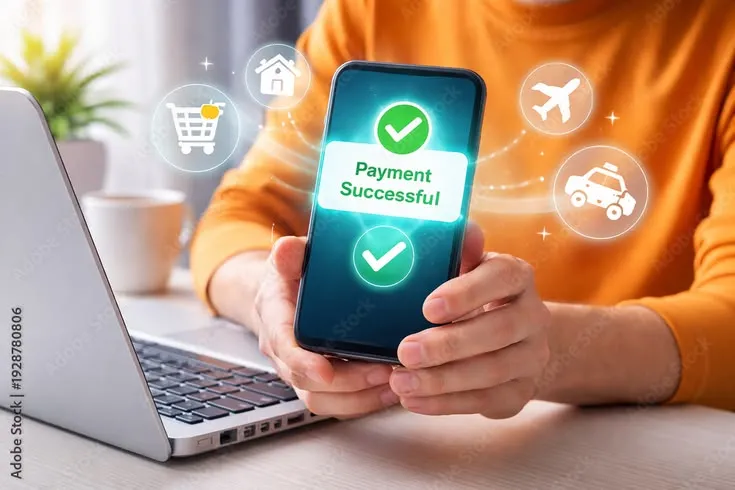
Online payment security involves protecting financial information throughout a transaction. Reputable payment systems use encryption, authentication procedures, and fraud-monitoring measures to reduce the likelihood of unauthorized activity.

However, a secure connection does not automatically make a merchant trustworthy. HTTPS helps protect information while it travels between a browser and a website, but it cannot guarantee that a seller will deliver a legitimate product. Consumers must evaluate both technical protections and business credibility.
Why Payment Methods Deserve Careful Evaluation
Different payment methods provide different levels of consumer protection. Credit cards may offer dispute procedures for unauthorized charges or purchases that do not meet stated conditions, depending on applicable laws and card issuer policies.
Other payment arrangements may provide limited recovery options. Before completing a transaction, users should understand whether the payment can be disputed, whether additional fees apply, and which organization processes the funds.
A seller’s refusal to explain payment conditions is a reason to investigate further.
Recognizing Warning Signs Before Making Payments
Suspicious payment requests can appear convincing, particularly when accompanied by limited-time offers or claims of exclusive access. These messages may pressure customers into completing transactions before reviewing important details.
Consumers should watch for several warning signs:
- Requests to transfer money to unrelated personal accounts.
- Unexpected changes to payment instructions.
- Demands for sensitive banking credentials.
- Missing refund or cancellation information.
- Pressure to complete payments immediately.
A single warning sign does not necessarily establish fraudulent activity. Nevertheless, unexplained payment arrangements should encourage additional verification before funds are transferred.
The Importance of Knowing What You Are Purchasing
Digital products can include software licenses, subscriptions, educational materials, and access to specialized services. Each category involves different expectations regarding ownership, delivery, and usage rights.
When exploring platforms identified by names such as Club Ronaldo, consumers should verify the nature of the advertised offerings before considering a transaction. Listings involving payment credentials, financial account information, or other sensitive personal data require particular caution.
Buying information obtained without authorization can expose individuals to serious legal and financial consequences. Legitimate marketplaces should explain what they sell and demonstrate that sellers have the right to distribute their products.
Reviewing Refund Policies and Transaction Records
Refund policies help customers understand what happens when purchases are unsuccessful, incomplete, or different from their descriptions. Clear terms should explain eligibility, relevant deadlines, and the process for requesting assistance.
Consumers should also preserve transaction confirmations, receipts, and communications related to legitimate purchases. These records can be useful when discussing billing errors or delivery problems with a merchant or payment provider.
If a dispute arises, contacting the payment provider through its official channels is generally safer than following instructions from unsolicited messages.
Protecting Financial Information After a Purchase
Payment security remains important after a transaction is completed. Users should periodically review bank statements and account notifications to identify unfamiliar charges.
Enabling transaction alerts can help detect unexpected financial activity earlier. If an unauthorized payment appears, customers should contact their financial institution promptly and follow its account-protection procedures.
It is also important to avoid storing payment details unnecessarily on unfamiliar websites. Using established payment services, where appropriate, may reduce the amount of sensitive information shared directly with merchants.
Building Safer Digital Purchasing Habits
Developing consistent purchasing habits can prevent many avoidable problems. Consumers benefit from researching merchants, reading purchase conditions, and confirming product legitimacy before submitting payment information.
Avoiding impulsive purchases is equally important. Promotional discounts and urgent offers should never replace careful evaluation. A reliable seller should provide sufficient information for customers to make decisions without unnecessary pressure.
Conclusion
Secure online purchasing requires more than selecting a convenient payment method. Consumers should understand transaction protections, examine merchant credibility, and confirm that advertised products are lawful and accurately described.
By recognizing suspicious payment requests, maintaining transaction records, and monitoring financial accounts, users can reduce unnecessary exposure. These practices support more informed purchasing decisions and help create a safer experience when exploring unfamiliar digital marketplaces.
